


AI‑Powered PS1 Quake Demo
Stumbling upon a new PS1 home version that includes a Quake demo, I thought I’d finally have a way to play the classic shooter on Sony’s console. Unlike DOOM, Quake never made it to the PlayStation in the ’90s, and my excitement was quickly dampened by the fact that the demo is built with AI. This retro project, called PSoXide, bundles Quake with a handful of other PS1 titles such as Minecraft, Guitar Hero, Rocket League and even a classic version of Celeste. While the AI assistance speeds up development, it also raises questions about the purity of the code.
PSXMemCard: A Cheap Memory Solution
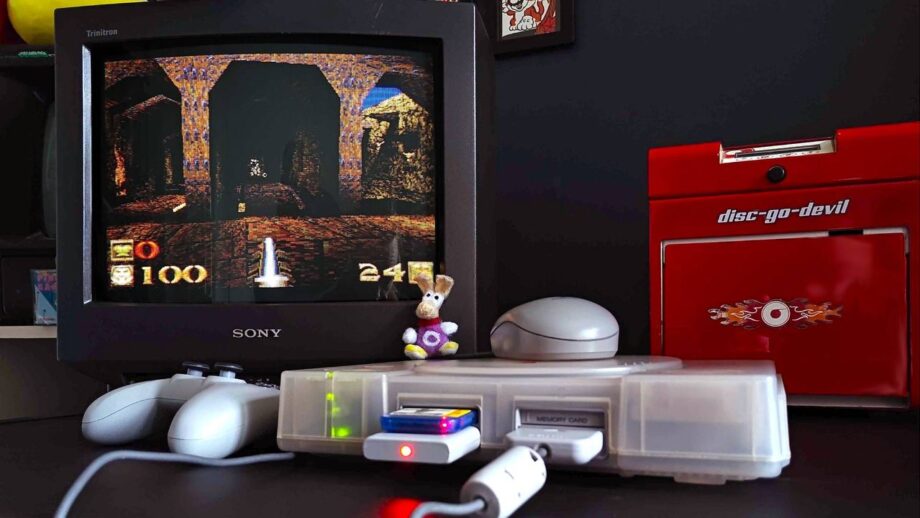
For under $40, the PSXMemCard can emulate more than 60,000 original memory cards and run tools like TonyHax, bypassing disc checks. Its GitHub notes that the demo benefits from substantial AI help under human supervision and hardware verification, with Claude used for debugging and development support.
QuakePSX vs PSoXide
The older QuakePSX demo, which predates PSoXide by several years, feels closer to what I’m after. It supports the PS1 mouse, giving a PC‑style control scheme, and runs at a higher frame rate, though it can dip below 30 fps. In contrast, PSoXide, though newer, relies heavily on AI‑generated code, which may affect stability.
Hardware Tweaks and Alternatives
Trying to run the demo on a modified PlayStation OG with a burned CD, I changed the case and inadvertently misaligned the laser, causing both the original and the AI‑enhanced versions to fail to load. Modern accessories such as a PSXMemCard for TonyHax or an XStation ODE SD card ($51 on AliExpress) can simplify loading, but I prefer keeping physical media alive, so I’m investigating why the shell swap is breaking the game.
While many projects lean on AI, I’d rather avoid tools that erode traditional development craft. If you’re curious about playing PS2 titles or exploring portable emulation, stay tuned for the next guide.
