



The Rise of Standalone VR
When the HTC Vive and Oculus Rift dominated the market around 2016, virtual reality was still a PC‑only experience. Enthusiasts like me borrowed those headsets, took them to events, and tried to spread excitement about a medium that required a powerful gaming rig.
That changed with the arrival of standalone devices such as Oculus Go and the Quest line. The Quest 2, and later the Quest 2/3 and Quest 3S, shifted the conversation from tethered PCs to mobile freedom, even though high‑end PCVR titles remain exclusive to powerful computers.
According to Valve’s August 2026 hardware survey, the Quest 2, Quest 3/3S and the original Quest together account for more than 60 % of headsets connected to a PC. The Valve Index sits in fourth place, while newer PCVR entrants like Bigscreen Beyond hold only a tiny share. Many users run standalone headsets while streaming games from their gaming PCs, which is why they appear in the survey.
SteamDB data shows a worrying trend: VR game releases peaked in 2017 and have been falling ever since. In 2025 only 481 VR titles were added to Steam, the lowest count in a decade and comparable to the pre‑Vive era. VR’s share of all Steam releases dropped from 15 % in 2017 to just 2 % in 2025, while the Quest Store continues to grow each year.
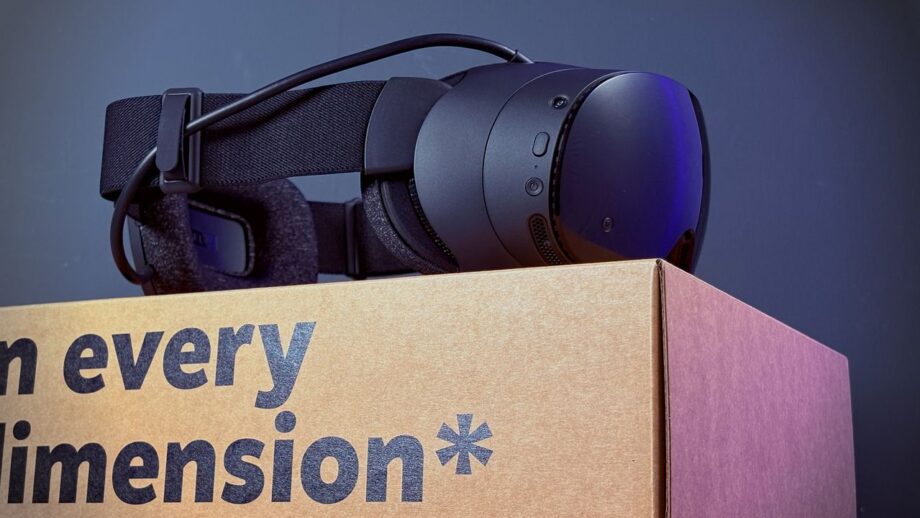
Valve believes its new Steam Frame device can reverse this slide. The Frame streams PCVR titles wirelessly from a local PC using a dedicated adapter, and it also runs Android games on its Snapdragon 8 Gen 3 chip. By supporting Proton, FEX and Lepton, it expands the library to include Windows, x86 and Android titles, potentially adding fresh VR content to the platform.
Jeremy Selan, a Valve software engineer, says the Frame is designed to “reignite excitement for PCVR” and let existing SteamVR games work without any extra work. Joy Lyons, a hardware engineer on the Frame project, adds that the goal is to broaden the market, giving more players access to both PC‑based and mobile VR experiences.
While some VR genres such as flight simulators or racing games remain PC‑centric and can feel clunky, Valve hopes the Frame will make wireless PCVR more reliable and appealing. The company is not planning a new flagship VR title itself, focusing instead on making partner games more accessible.
