


Nvidia’s Shift Toward AI Doesn’t Dim Its GPU Dominance
While Nvidia’s data center business brought in $89 billion in Q2 2026—about 93 % of its total revenue—the company is pouring resources into artificial intelligence. That pivot might suggest a retreat from gaming, but the firm remains the unrivaled leader in consumer graphics cards.
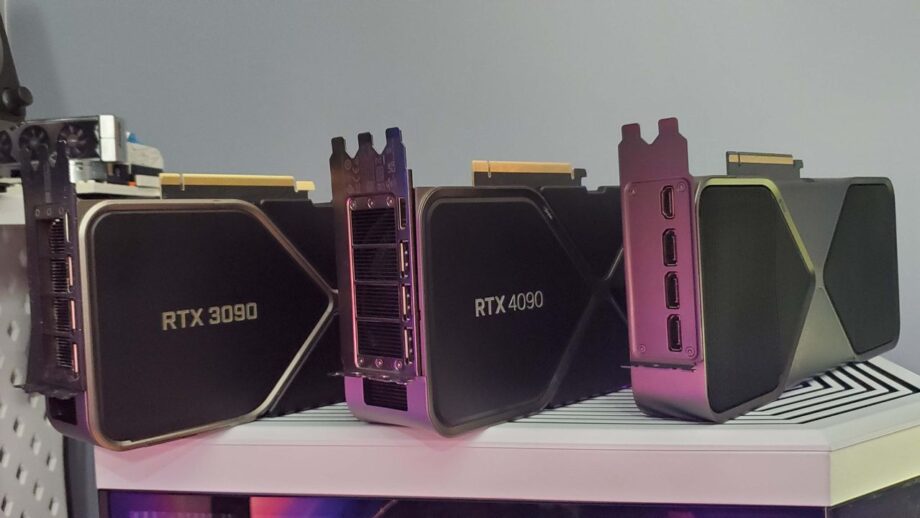
According to the latest John Peddie Research report, Nvidia still controls roughly 90 % of the graphics add‑in board (AIB) market, despite a tiny 0.01 % dip in its share last quarter. AMD holds about 8 % and Intel just 2 %. An AIB is any card you install in a desktop to boost performance, and GPUs certainly count.
The report notes that the global PC‑based AIB market added 12.5 million units in Q2, a 10 % increase from the prior quarter. The chance that a desktop buyer also purchases an add‑on board rose to 89 %, up 23 % quarter‑over‑quarter.
Even though the RTX 50 series commands premium prices, many gamers are still buying high‑end cards. Dr. Jon Peddie described the surge in high‑end GPU sales—despite rising costs—as “defying common wisdom.” Some shoppers may be opting for older, cheaper models instead of the newest upscaling technology.
Our own survey in August showed that 56 % of respondents were willing to spend more than $600 on a graphics card, and 19 % would go beyond $1,000.
Meanwhile, desktop CPU shipments fell to 14 million units, a 10.5 % quarter‑over‑quarter drop and a 33 % year‑over‑year decline.
Peddle suggests consumers rushed to buy AIBs before prices climbed further, citing the ongoing Iran war and Strait of Hormuz crisis that have strained supply chains and driven up component costs.
Limited availability has sparked price hikes, which may be spilling over into other parts such as motherboards, though it’s unclear whether motherboard shipments will follow the same pattern.
Overall, Nvidia’s dominance in the GPU arena persists, even as the broader PC market experiences fluctuations in CPU demand and supply‑driven price pressures.
