


(Image credit: Future/Phil Hayton)
DLSS 5 and the Future of Game Graphics
In the 2010s we chased ever‑more realistic graphics, driven by faster hardware and better tools. Lens flares, detailed textures and next‑gen PC push made hyper‑realism the norm, and many games were later remastered for an even sharper look. While realism once equaled quality, I hoped that view had passed. Graphical fidelity keeps improving, but I thought we’d moved beyond a narrow “objectively good or bad” mindset. Now Nvidia is preparing to launch DLSS 5 on 50‑series GPUs, debuting with NBA 2K27 and likely spreading to other titles.
During a private demo at Gamescom I saw the new AI‑enhanced tech and asked how Nvidia plans to use it. My first worry was that the generative AI could flatten artistic nuance, especially for indie titles with strong visual styles or games like Dishonored that rely on a distinct look. Nvidia said developers can opt into DLSS 5 support and that it targets only games aiming for photorealism.
(Image credit: NVIDIA)
I enjoy the subtle variety in graphical styles. Titles such as Battlefield 6, Control, GTA 6, The Last of Us Part II and Hunt: Showdown all contain realistic elements, yet none appear to strive for true photorealism; their art direction still sets them apart. I believe games look great precisely because they aren’t photorealistic; a live‑action look would make the market feel dull.
(Image credit: Nvidia)
Art styles matter because they keep games distinct from realistic photography. DLSS 5 gives developers control over three AI models per object, character or clothing, plus sliders to adjust structural and tonal intensity. Still, the system is trained to prioritize photorealism above all else, so its impact on non‑realistic art may be limited.
(Image credit: Nvidia)
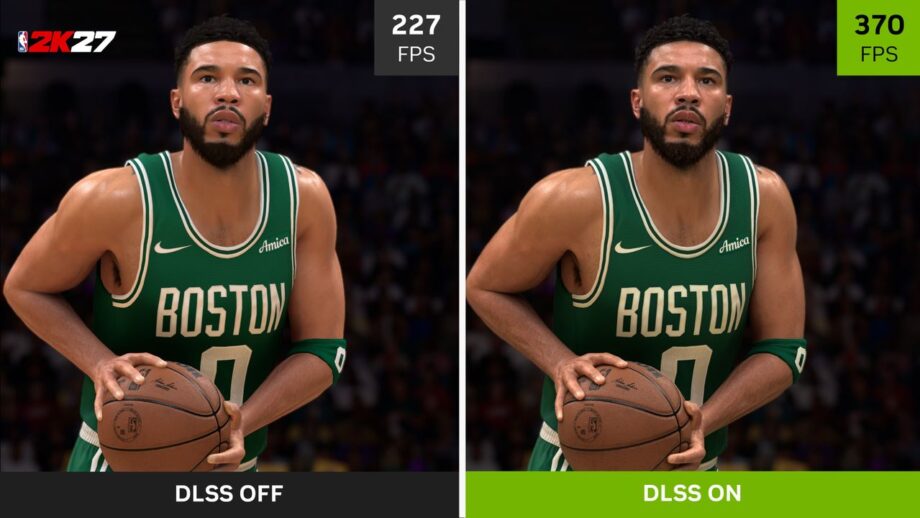
Nvidia’s long‑standing goal is to give gamers the most powerful graphics possible, producing the most realistic lighting, faces and objects. DLSS 5 can make NBA 2K27 look even more lifelike, and the comparison shots do show sharper, more realistic athletes. Yet I’m unsure whether these AI‑enhanced visuals are objectively better than the handcrafted characters developers create. I value the small imperfections and stylized choices that give each game its personality, and I’m skeptical that generative AI is the best path to photorealism.
(Image credit: Nvidia)
My skepticism about AI stems from its disruptive effect on creative industries. I can spot AI‑generated images easily, and the technology feels broken for art production. While I accept realistic athlete renderings in NBA 2K27, I prefer human‑made faces in games because they keep me immersed rather than distracted by the AI itself. I think the pursuit of realism once aimed to boost immersion, but I find that less photorealistic games often spark more imagination. Upgrading your rig with a top CPU, fast RAM or quality speakers can also improve the experience.
