

Zelda Ocarina of Time Remake Stuns with Unmatched Detail
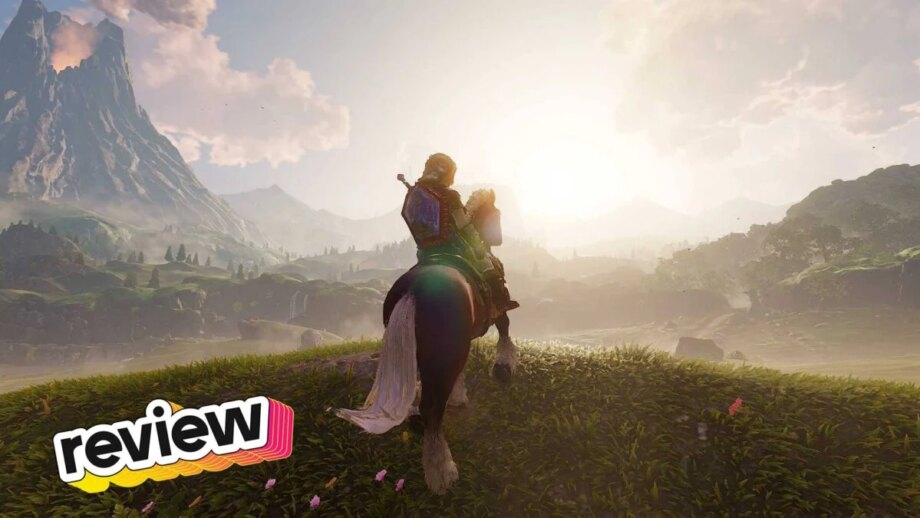
The remake of The Legend of Zelda: Ocarina of Time launches on November 5, 2026 for the Nintendo Switch 2, promising a visually dense experience that the developer Nintendo touts as a showcase of next‑gen craftsmanship.
Reviewers note that the game’s world feels like a Disney theme park, with Castle Town rebuilt as a meticulously detailed streetscape reminiscent of Tokyo Disney’s illuminated arches and European architecture.
Despite never having played the original as a child, the reviewer says the remake instantly triggers nostalgia through its sheer attention to microscopic elements—from cheese wheels labeled “Gouda” and “Not So Gouda” in Minnie Mouse’s fridge to the exact angle of Link’s smile when receiving a medallion.
Nintendo has condensed the sprawling design of earlier Zelda titles into a compact, highly polished map that recalls the memorable Great Plateau of Breath of the Wild, where every tree, flower pot, and piece of dialogue is deliberately placed.
Critics point out that the English voice direction in the first half sounds overly simplistic, likening performances of Saria, Ruto, Navi and the Great Deku Tree to children’s programming, while the Japanese track resolves the issue for many players.
The remake’s controls are described as light and intuitive, with a functional item wheel and smooth targeting that eliminates the camera struggles of the original.
Gameplay remains easy; the reviewer attributes this to adult skill and refined controls rather than design intent, noting that the experience feels like a theme‑park ride on rails.
Nevertheless, the title delivers emotional moments—first views of Hyrule Field, the revelation of Zelda, and the emergence of the Sages—thanks to refined cinematography, pacing, and a reworked soundtrack that adds new pieces while staying faithful to the source.
Metadata listed in the article shows the game offers more than 25 hours of main‑quest play plus extensive side content, includes 60+ Gold Skulltulas, and receives praise for its gorgeous visuals, exhaustive detail, and excellent soundtrack, while criticism focuses on juvenile writing and overly easy difficulty.
Developers have framed the remake as a learning exercise for a new generation of Zelda creators, suggesting that the meticulous attention to detail may inform future, larger‑scale adventures.