

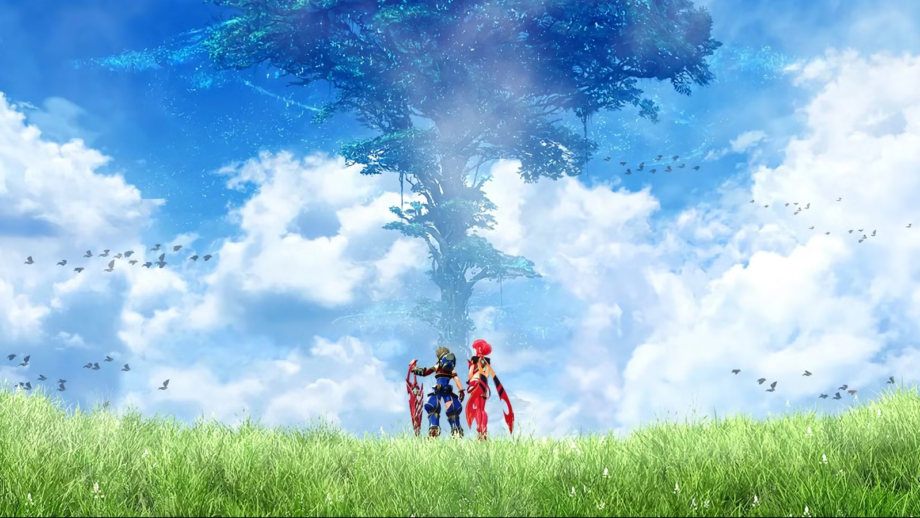
I love Xenoblade Chronicles 2, but I’m also not ashamed to admit that it’s a little strange. Monolith Soft went in a noticeably different direction with its sequel, as it went for a more vibrant overall aesthetic and cutesy anime character designs that weren’t afraid to offer fan service. By comparison, I’d describe the first Xenoblade as grounded, but it was this stark departure that helped make its successor so memorable. It was bold, daring and very, very beautiful.
And despite its inconsistent direction and a handful of truly mediocre performances, I’d offer the same praise to its enthusiastic English dub. Xenoblade Chronicles 2 has a truly special localization that, like its predecessor, was handled by Nintendo of Europe and features several talented British actors bringing its characters to life. At times, it can be so eerily authentic with its accents and dialects that it seems like a local theater production.
You could play the recently released Switch 2 edition in Japanese and still have a wonderful and arguably more authentic time, but so much love has been put into the dub that I simply can’t tear myself away from it as I replay this game for the first time in almost a decade. As a Welsh girl at heart, it warms my heart to see the adorable cats deliver the sweet tones of The Valleys.
Why is the Xenoblade Chronicles 2 dub so memorable?
I may be missing a couple, while select NPCs and narratively important characters feature unique accents, but I think this is how things are broken down in Xenoblade 2:
-
Gormott – Welsh
-
Uray – Australian
-
More Ardain – Scottish
-
Lefteria—Northern English
-
Tantal—Received Pronunciation (Fancy English)
-
Blades and Torna – America
This pattern extends to Xenoblade Chronicles 3 as well, albeit with species we haven’t seen before and featuring new types of British accents to expand the scope of localization. It’s so ridiculous but so charming at the same time, going further than other JRPGs by bringing its world to life through unique accents that reflect our own world.
-2.jpg?q=49&fit=crop&w=825&dpr=2)
There’s nothing worse than playing a game, and everyone has an American accent for some reason, or little effort was made to properly develop exactly how the dialects of a fantasy setting might change with new regions or even planets. Another game with tremendous effort put into this is Final Fantasy 16. It is the champion of Geordie accents in video games, without a doubt.
It reminds me of the more recent Dragon Quest IX: Sentinels of the Starry Skies for the Nintendo DS, which gave so much personality to its localization. Despite not having a voice, all the accents that different towns and cities possess shined through the dialogue.
But not all of the voices in Xenoblade Chronicles 2 are particularly good. In fact, I would describe a lot of it as sometimes horribly bad. Protagonist Rex struggles to give emotional moments the weight they deserve with his exaggerated accent, while extended scenes that require characters to scream in anger or sadness are unintentionally hilarious here when they definitely shouldn’t be. The directing is off, which is strange given that the same director worked on Xenoblade Chronicles 3 and that game’s voice acting is of significantly higher quality.
And why wouldn’t I change it for the world?
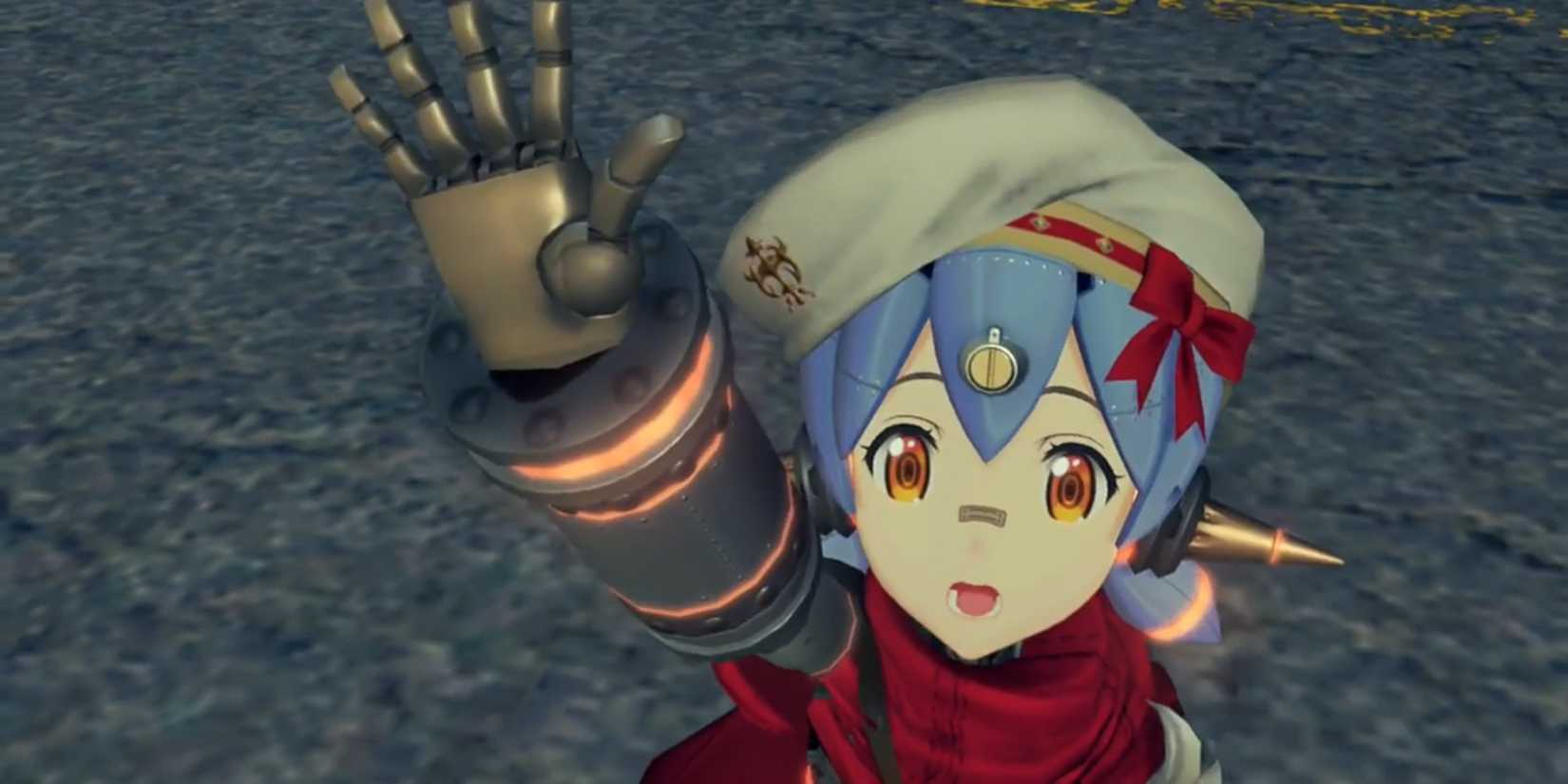
The timing between dialogue can be out of touch, and characters like Tora make me want to jump into traffic, but listening to Catrin-Mai Huw’s tremendous performance as Nia makes it all worth it. Having previously performed in Welsh language shows such as Pobol and Cym, his accent is so authentic that it transports me to my home town of Lampeter as I walk the streets listening to all sorts of Welsh voices exchanged.
Nothing will beat Nia calling someone one eyed monster in a flash of anger, only for all the surrounding characters to react with sudden embarrassment. He’s so Welsh he’d feel right at home on an episode of Gavin & Stacey.
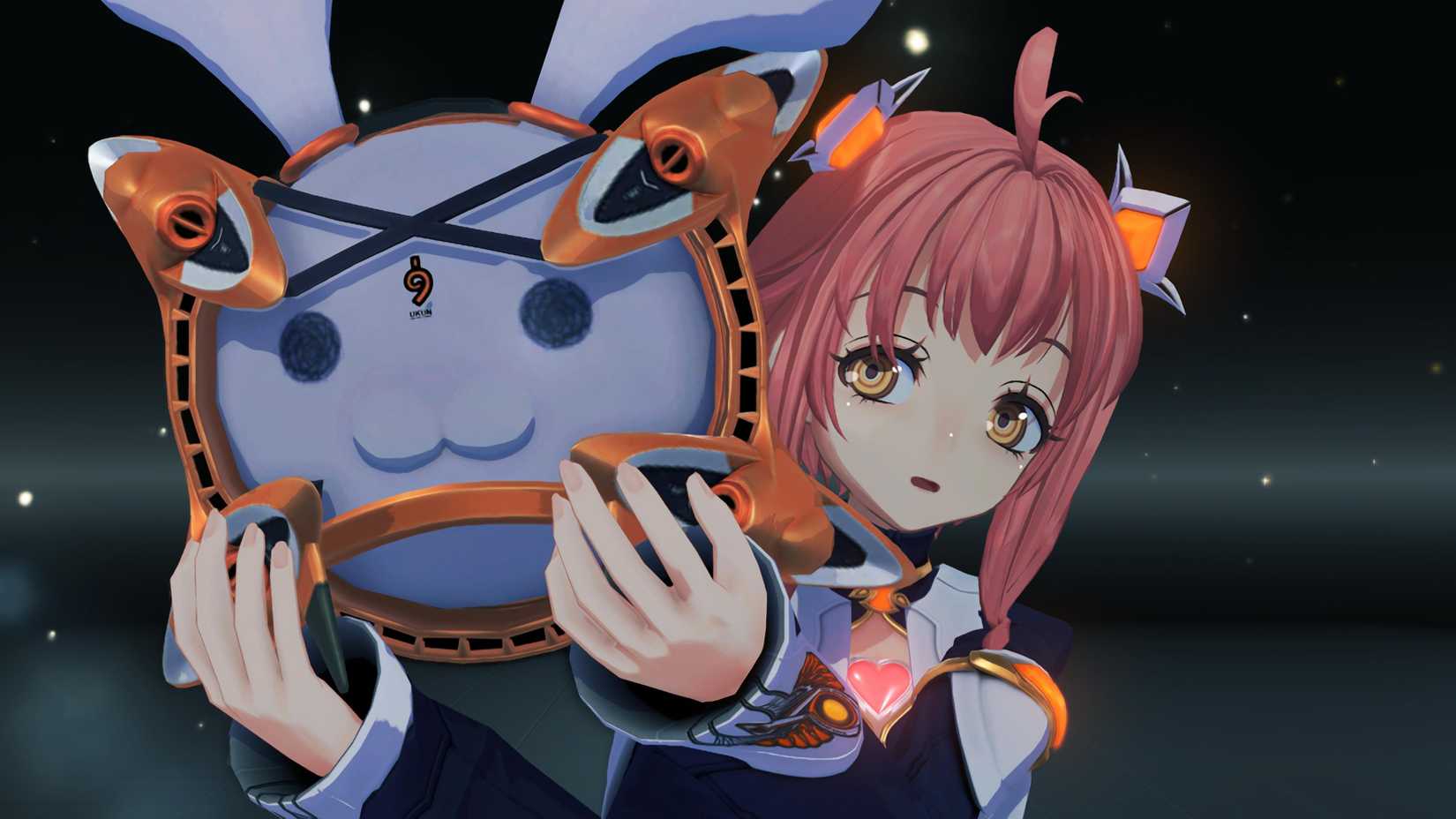
Speaking of which, that was Huw’s first role. I also love that Xenoblade Chronicles as a series will likely expose many players around the world to these accents for the first time, no matter how ridiculous they may be. I’ve always been amazed at how many accents Britain has despite its geographically small size, and there’s no better way to pay homage to that fact than a gigantic JRPG.
It’s something that makes this series undeniably unique, and even if the quality falters, this adorable charm is something I wouldn’t trade for the world. Now it’s time to place bets on which corners of Monolith Soft Britain we’ll see in Xenoblade Genesis next year.