


How To Identify Stolen Goods
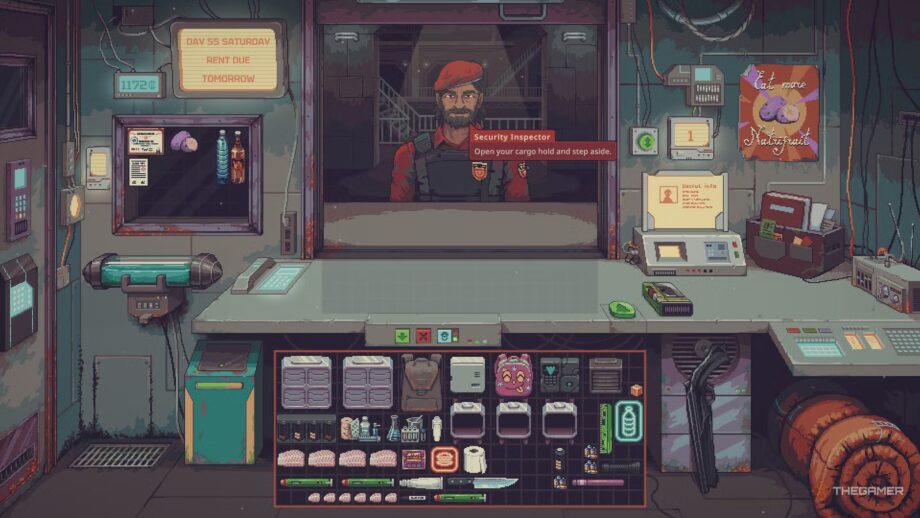
In Probably Stolen you can run a whole game without ever handling stolen items, but the real fun comes from playing the morally‑grey dealer. Stolen goods tend to be pharmaceuticals, chemicals or food items, and each carries a “heat” rating that shows how obvious the theft is. High‑heat items are instantly flagged by buyers and security, while low‑heat items can be moved more discreetly. Heat fades the longer you keep the item in your inventory; when it reaches zero the goods are no longer considered stolen and can be sold normally. Shady customers or wanted criminals often approach you with a quick‑sale pitch, sometimes labeling themselves as “Thief,” which makes them easy to spot. On day 14 (or day five if you skip the intro) the wanted criminal known as The Butcher appears, offering meat with high heat. He returns weekly, and while you can report him to security or try to shoot him with a shotgun, both options come with serious risk.
How To Store And Sell Stolen Goods
Storing stolen items is simple: keep them in a smuggler’s bay, which holds a 5×5 grid. For more space you can upgrade to an expanded bay via the Underground Exchange, but you must first discard a normal smuggler’s bay and leave eight Oxymore injectors in your trash can overnight. Deposit any stolen goods into the bay right after purchase and wait until their heat drops to zero before selling, unless you want to move them directly. Most lower‑level citizens will buy the goods regardless of origin, but selling to security is a bad idea. Each transaction with heat attached raises your Possession (Stolen Goods) crime level, and repeated offenses can lead to arrest and end your run. To mitigate this, you can hire Joe Wild’s Fixers for a nightly fee; they clear the crime record and keep you out of jail.