


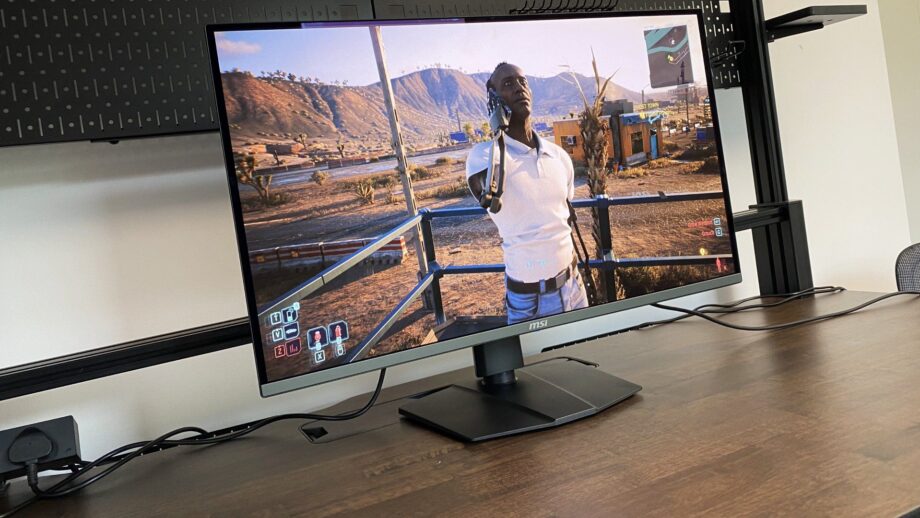
I recently upgraded to an OLED monitor, and I wish I had done it sooner. The panel is stunning, and prices have finally started to fall, which explains the surge in sales. According to analyst firm TrendForce, shipments of OLED panels have risen 26.1% in the last three months and 98% compared with the previous year.
The growth is driven largely by gaming, especially the popularity of 27‑inch QHD monitors that sit at the top of the panel hierarchy. TrendForce notes that these results show rapid penetration of OLED technology into premium displays and the gaming market.
In the first three months of the year, TrendForce estimated a 78% year‑over‑year increase in OLED panel shipments, suggesting that OLED monitor shipments will keep climbing through 2026. The firm also ranks the market leaders: Asus leads, followed by Samsung, MSI, AOC, LGE and several others.
Samsung’s decline stems from a phased withdrawal from the Chinese market, while MSI has made a noticeable splash. Panel supply is improving and new brands are entering the market, and although most gaming OLED panels are produced by Samsung and LG, they are often rebranded under other names. Recent news even shows Chinese giant TCL’s OLED panels appearing in MSI’s professional lineup, though gamers still favor Korean‑made panels.
Prices have dropped dramatically; a budget‑friendly Alienware AW2726DM now lists an MSRP of $350, compared with the $600‑$1000 range that dominated the market a few years ago. While it uses an older panel technology than the newest MSI MPG 322UR X24, the OLED image quality remains impressive. Monitors are among the few PC‑gaming deals that have escaped the memory‑price crisis, and the recent virus has not dented the display market.
Our James scours the web weekly and has spotted a Samsung Odyssey G50SF listed for $350 on Amazon and an AOC Agon Pro also priced at $350. Both are 27‑inch 1440p panels, the segment that TrendForce identifies as the most popular. Even the 4K‑capable MSI MAG 321UP has been discounted to $700 at Newegg.
The market is healthy: demand is high, supply is sufficient, and competition is fierce, which is a welcome change for consumers. It’s encouraging to see OLED technology becoming affordable and widely available.
Overall, OLED monitors have moved from premium novelties to attainable upgrades for gamers and creators alike. With prices falling, supply improving, and a growing lineup of options, the current climate offers a rare opportunity for buyers to get premium performance without breaking the bank.