

Phantom Blade Zero Review: High‑Octane Action Meets Narrative Chaos
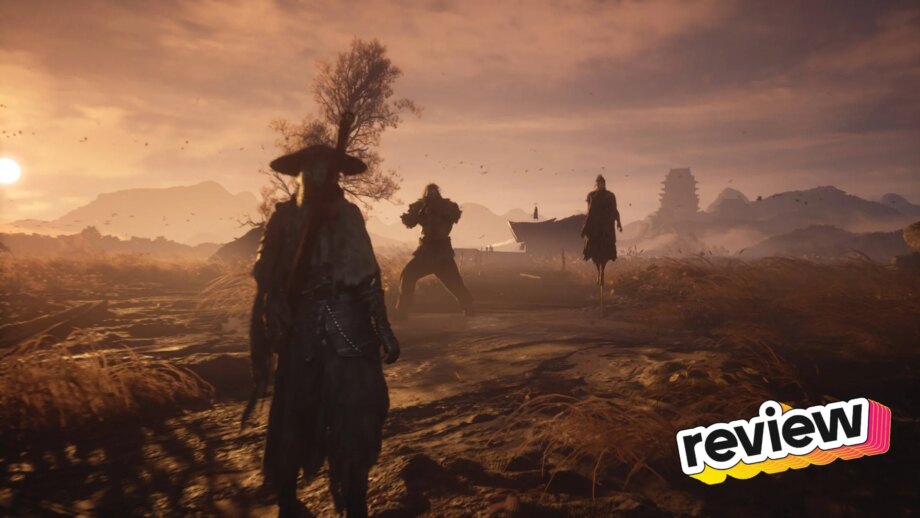
According to Kotaku, the action title launched in late 2025 after a low‑key preview at Summer Game Fest, and two years later it delivers a combat system that feels ripped from Ninja Gaiden. Its design forces players to hold block, parry and attack simultaneously, creating a frantic rhythm that rewards boldness over precise timing. Initially the mechanic feels impossible, but it quickly becomes second nature.
Reviewers praised the core feel: combat is intense, fluid and packed with content. The game offers dozens of boss encounters, many of which rank among the best in the genre, while the soundtrack blends hip‑hop, Chinese opera and dubstep into an eclectic yet cohesive mix.
However, the narrative drags the experience down. Story elements are overloaded with unexplained proper nouns and frequent cutscenes, leaving players sifting through lore logs to understand basic plot points.
Side quests compound the problem. Missable objectives can lock players out of the True Ending, forcing reliance on external guides or acceptance of incomplete completion.
Enemy design also raises concerns. Minor foes despawn permanently, turning combat into a conveyor‑belt experience that reduces stakes. Later sections introduce hyper‑aggressive enemies with massive health pools, creating a grind that feels uneven compared to the early, more forgiving pacing.
Technical details: the title runs on PC and PlayStation 5; the reviewer logged 65 hours, completing all side quests and reaching the True Ending, with a “second cycle” mode for completionists. Its performance is stable on both platforms, and the 65‑hour playtime reflects a thorough exploration of its content.
Overall, Phantom Blade Zero shines in combat and production value but falters in story delivery and quest accessibility, leaving a mixed legacy for fans of character action games. Its strengths in gameplay are undeniable, yet the narrative and design choices prevent it from reaching perfection.