

Nothing about what happened Avatar Aang: The Last Airbender was fair. The animated sequel to Nickelodeon’s beloved martial arts series was pulled from theaters, relegated to a Paramount+ premiere, then leaked all over the internet months before it was officially revealed. For the moment, the film is only screened in two cinemas across the countryapparently to qualify for awards that generally only recognize films shown on the big screen; Apparently no one making the decisions at Paramount and Nickelodeon thought the film was worth bringing to the big screen for a regular rollout. Instead, he was once again dragged down the path of least resistance by Aang’s power. (fortunately ample) dresses.
And that’s a shame, because the film itself is a beautifully crafted eye candy, and while it seems a little limited by its place in an already established story, the artistry on display in each frame is enough to make up for its flaws. It’s a shame that only a select few people get to watch it in theaters the way it deserves to be seen.
Avatar Aang: The Last Airbender takes place several years after the original Last Airbender series. The gang has grown. Well, physically, at least. Aang is still haunted by the traumas of his childhood, having seen the near extinction of his Air Nomad community, being the sole survivor, and constantly feeling the loss of his people and culture. That is, until he meets another surviving airbender named Tagah (voiced by Dave Bautista), who knows of a way to bring airbending back to modern times, and perhaps his culture with it.
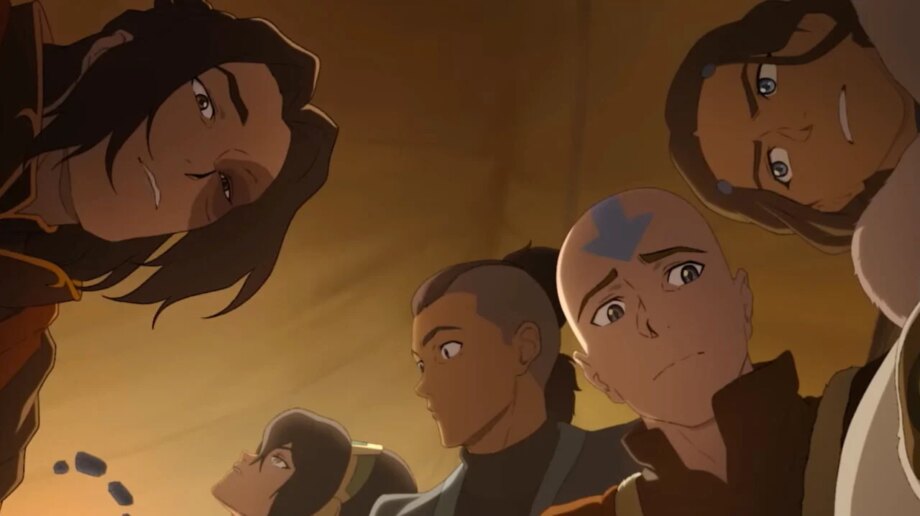
The placement of the film between the original series and The Legend of Korra in the timeline takes the dramatic wind out of its sails, as anyone who has followed the series in any meaningful way can probably predict what’s going to happen, and some of Aang’s internal struggles mirror themes the series has already touched on. But as a character study, Avatar appointment does a really good job of creating adult issues from characters we previously knew as kids. Katara, Sokka, Toph, and Zuko all return to help Aang on his quest, but they end up feeling a little left out. The title is pretty straightforward in establishing that this is Aang’s story, and the film’s brisk 99 minutes don’t leave much time for everyone to get any dramatic arcs.
That’s not to say the rest of the crew doesn’t shine by the time they arrive. Avatar Studios is full of talented animators who make the most of every shot, every stylish martial arts move, and every supernatural effect. Say Avatar appointment pops is an understatement. Each fight scene is incredible to watch unfold as the elements of earth, wind, water and fire light up the screen, led by the masters who all glow as they bend, strike, kick and hurl their magical powers at their enemies. I emphasize the visual side of this film because it is not only the best aspect of this film; it is also the most emblematic of the greatest ambitions of this project wasted by corporate sabotage, then by stupidity on the Internet.
Avatar Aang: The Last Airbender counters the foolish belief that 2D animation seems outdated compared to the 3D styles of Disney and Pixar, and much like animated feature films that are only shown briefly here in the United States, Avatar Studios’ first film is relegated to digital platforms so you can watch it on your iPad, laptop, or TV, when its stunning visual aspirations would burst from a movie screen in awe-inspiring splendor. Paramount may have weighed the costs and benefits of a wider release and made some basic calculations to make its decision, but whatever the reason, the result is the same: a magnificent work of man-made art doesn’t get its due. While watching it on a smaller screen won’t do it justice, it’s worth seeing so you too can be mad that you didn’t get to watch this on the big screen at least once.