


GTA 6’s Union‑Themed Ad Mirrors Real‑World Labor Battle
Grand Theft Auto 6 launches as Rockstar developers vote on the future of their union, while 31 former employees sue the company, alleging they were fired for union‑busting, a claim Rockstar denies. The timing makes a satirical Call of Duty‑style commercial in the game especially noteworthy, since the ad directly references unionizing and its benefits.
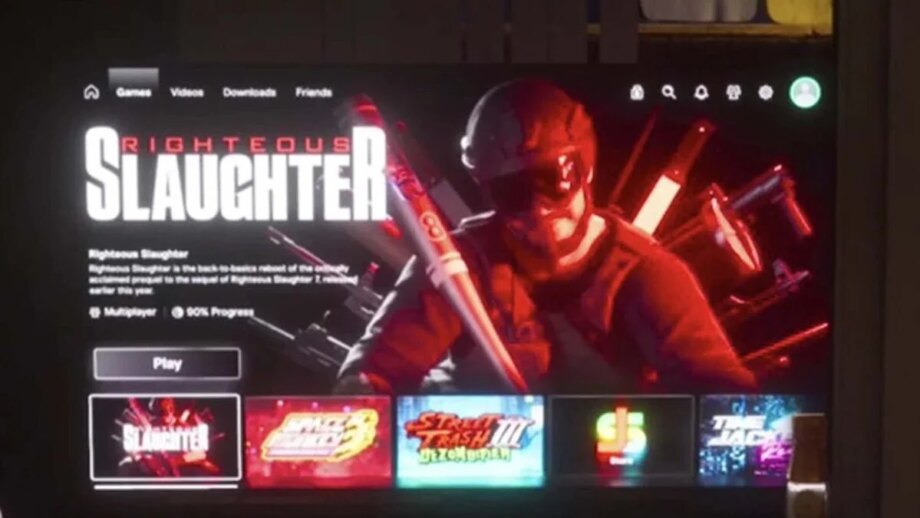
In GTA 6, radio stations feature hundreds of songs, DJs and commercials for in‑universe movies, books, shows and video games. One ad promotes the fictional military shooter Righteous Slaughter: Domestic Infection, a satirical take on Call of Duty. It claims the nation’s biggest threat is a disease that induces “anti‑American thoughts,” and a sign of the “Liberal Cuck Contagion” infection is a sudden interest in fair wages and unions.
At the ad’s end, two soldiers discuss their lack of benefits and security, with one suggesting they consider unionizing. The other shouts that “Jimmy’s infected,” highlighting the joke’s connection to real‑world union issues.
In a vacuum, the ad is a humorous critique of how military shooters often glorify conservative American values and dismiss unions, which many right‑wing supporters view skeptically.
But within the context of the ongoing UK union recognition vote and the court battle over Rockstar’s dismissal of 31 employees active in union activities, the joke feels subversive, as if the ad’s creators are turning the satire back on their own bosses and Take‑Two Interactive. Currently, both sides await the judge’s ruling.
“With a recognised union, we can ensure everyone, across every department, sees a fair share of the success we contributed to,” wrote Rockstar developer and union member Nestor Uriarte in The Guardian recently. “Our games are industry‑leading. Our wages, conditions and bonuses should be too.”
“Whatever happens in this ballot, our union will continue fighting for a studio that works for every single person at Rockstar, and for workers across the industry. Unionising shouldn’t be something we simply admire from afar when dockers, miners or teachers do it. It’s something we can, and must, embrace for ourselves. The future of the industry shouldn’t be a game played over our heads.”