


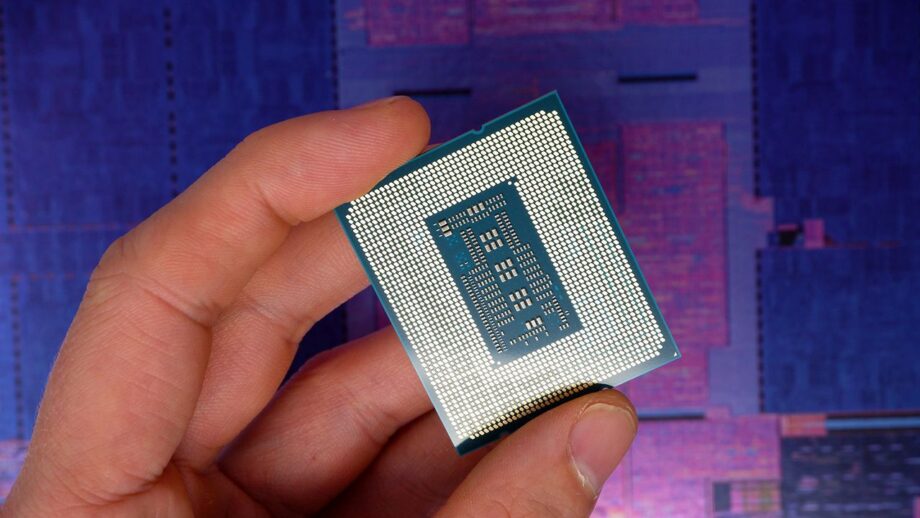
Intel’s Raptor Lake CPUs and the DDR4 Revival
If you’re using a Raptor Lake processor, you’re already ahead of the curve. Intel’s senior vice president for enthusiast channels, Robert Hallock, told Tom’s Hardware that the company isn’t abandoning its 10‑nm architecture. Instead, it’s doubling down, positioning Raptor Lake as a core part of its future lineup.
Hallock emphasized that the LGA 1700 socket remains solid and that DDR4 memory will stay supported. He expects pricing to soften over time, returning to more normal levels as supply stabilizes.
Despite DDR5’s rise, a 32 GB DDR4 kit still costs around $200, making it an affordable upgrade path or a budget‑friendly option for pre‑built PCs. Enthusiasts who want to keep their existing DDR4 modules can do so without sacrificing much performance.
Raptor Lake chips may run hot, but they deliver strong gaming and productivity results, positioning them as solid choices for high‑performance builds in 2026. DDR4‑compatible motherboards are still purchasable at semi‑reasonable prices, keeping the platform flexible.
The surge in demand for these older parts caught Intel off guard. “There was a sudden rush of demand that wasn’t anticipated when the wafers were started,” Hallock said, noting the difficulty of forecasting such market shifts.
Rumors of a “Raptor Lake Next” refresh for 2027 and increased chip supply dating back to the 2020 Comet Lake era suggest the market is gearing up for more availability. Meanwhile, AMD has revived the Ryzen 7 5800X3D, an AM4 processor that still uses DDR4, underscoring a broader trend of older silicon being re‑introduced for value‑conscious buyers.
Overall, the revival of older CPUs and memory reflects a healthy consumer market where price‑sensitive shoppers can still obtain capable hardware. The mention of new RTX 3060 productions hints that the industry may be taking a step back before moving forward again.