


Vision Quest Review
Marvel’s recent output has been a mixed bag, with a flood of TV shows and frequent reboots that left many fans questioning the direction of the MCU. Yet a recent Disney+ series, Vision Quest, shows that careful storytelling can still deliver emotional payoff.
The first two episodes premiered recently and sit as the third entry in a trilogy that began with WandaVision and continued with Agatha. The series ties directly to those earlier shows, and its focus on White Vision offers a fresh, introspective look at a character who has been largely a supporting figure until now.
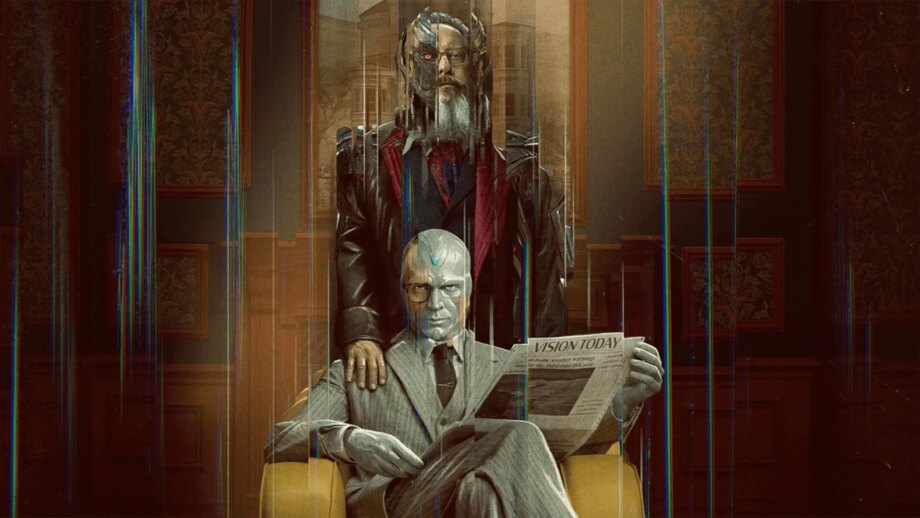
Vision’s “house” in the series gathers AI constructs and the voices of past synthetic characters, giving them physical form. The most striking resident is Ultron, portrayed by James Spader, who appears as a distant, scheming father figure that Vision must contend with while questioning his own claim to the life originally built for him.
Meanwhile, the show follows Tommy, a conjured child of Wanda and Vision who inhabits the body of a London teenager. Unlike his brother Billy, who enjoys a supportive family, Tommy lacks any real support network, forcing him to grapple with two conflicting identities while trying to prove his worth to Vision, who he calls his “something.”
Episode two concludes with Vision, Tommy, and a projection of Ultron fleeing in a getaway car, leaving the bounty hunter Paladin behind. While the villain feels underdeveloped, the episode showcases how years of character building across the MCU have coalesced into a therapeutic narrative that could shape the franchise’s future.
WandaVision set the tone for Disney+ by proving that experimental, intentional storytelling can thrive alongside big‑budget films. As Vision Quest continues, its blend of legacy characters and fresh emotional stakes suggests the MCU is finally living up to the promise it hinted at five years ago.