

Tenebrae Lux Satirizes Auteur Culture in GTA VI
Cal gushed, “Jonathan Zuch is such a genius,” while setting up a JoySystem in Jason’s living room, noting the game’s raw visuals.
Jason remained stoic, agreeing only for the company, and the opening of Tenebrae Lux immediately hooked the reporter with mind‑bending puzzles despite its unsubtle jab at indie auteur Jonathan Zuch.
Game Details
The back‑of‑the‑box quote reads, “You have just experienced a Johannes Zuch experience…” and lists the title as a pretentious puzzler for the JoyStation.
Developer Johannes Zuch, a name that sounds like “Johannes Zuch” when spoken, released the game on November 19, 2026 after roughly 2‑3 hours of play, including notebook‑filled scribbling.
Critics liked the puzzles and satire; they disliked the eponymous Zuch.
Puzzle Design
Tenebrae Lux presents two major puzzles bookended by two smaller ones.
One major puzzle forces players to loop through a room, decipher a six‑digit code while sea shanties play and a crazed man yells from behind a door.
The other requires crossing a bridge of glowing symbols by solving a simple poem discovered in a nearby ruin.
The looping room’s layout changes per playthrough; objects such as paintings or record albums appear differently, preventing easy online solutions and complicating collaborative hints.
Narrative & Themes
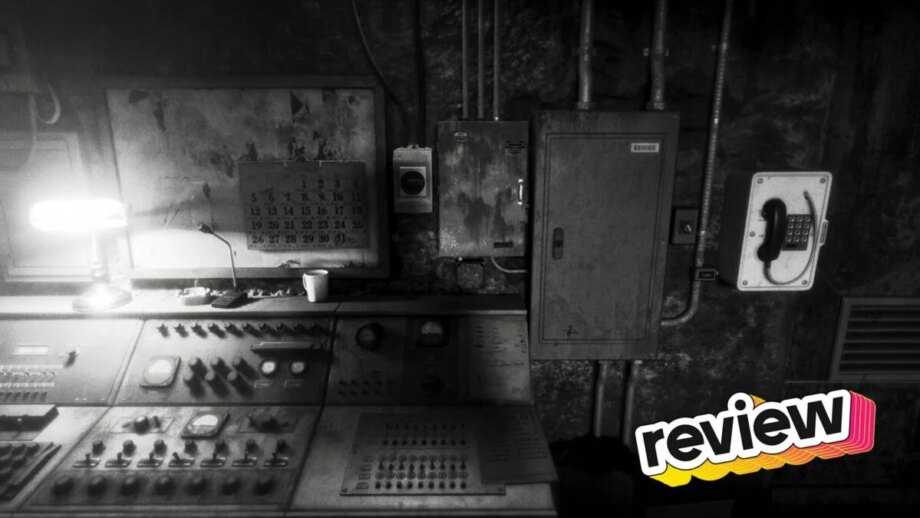
The in‑game media portrays a “Man Who Won’t Shut The Fuck Up” stranded on a bleak island with a swinging lighthouse beam, dark music, and a haunting cry, all rendered in stark black and white.
Credits attribute every element—voice, writing, music, mise‑en‑scene—to Johannes Zuch, a clear parody of the self‑referential style of Hideo Kojima and Mark Danielewski.
Although the story offers no deeper meaning, its relentless pretension lands a sharp satire on auteur culture while delivering several hours of challenging puzzling.
Verdict
Tenebrae Lux is a meaningless, self‑indulgent experience that nonetheless provides excellent puzzle gameplay and a pointed critique of indie ego.