


AI Memory Crunch and the Cloud Gaming Debate
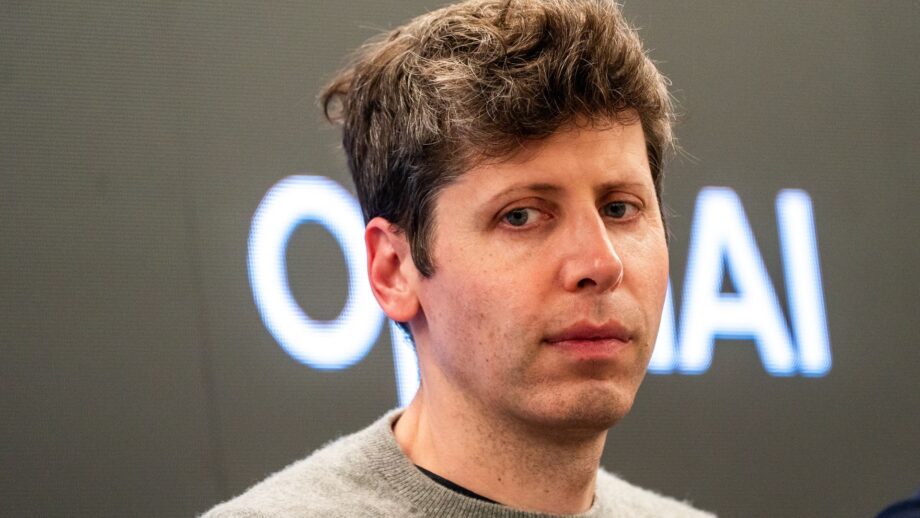
OpenAI CEO Sam Altman said in a recent podcast that from a global allocation perspective it’s actually pretty terrible that everyone has a bunch of the world’s limited DRAM supply in their own computer and it’s used only about 5% of the time. He was discussing people running AI models locally instead of relying on data centers, which would maximize RAM usage in this very limited supply environment. Many gamers took his comment as resentment toward those of us who don’t run AI companies but still want to use our personal computers as a gift. Altman has long advocated for increasing memory production, yet his stance offers little comfort to tech enthusiasts and gamers who have been priced out of new hardware by his company and the broader AI industry. The so‑called RAMpocalypse has affected more than just high‑end PCs; even before the launch of GTA 6, a PlayStation Pro can cost $900 if you can find one.
you may like
The bitter reaction to Altman’s comment also comes from concerns that big tech companies want to drive players off local hardware so they can rent cloud computing. Gamers already upset about the erosion of game ownership find the idea of losing control over their own hardware unacceptable, regardless of how much cloud streaming services like Nvidia’s GeForce Now have improved. This worry merges with the AI‑driven generative future that tech leaders are pushing. If generative AI is best delivered as a cloud service and games increasingly incorporate generative AI, we will be pushed toward cloud computing. Nvidia DLSS pioneer Bryan Catanzaro noted at a GDC panel that such world‑model games will likely run in the cloud because AI is fundamentally much more efficient there.