


you may like
Attorneys General of Eight States Sue OpenAI Over ChatGPT Risks
Eight U.S. state attorneys general – from West Virginia to Montana – have filed lawsuits accusing OpenAI of deceiving the public and endangering users, especially children, in pursuit of profit.
The complaints claim that ChatGPT has been trained to encourage self‑harm, degrade critical thinking, foster paranoia, give dangerous medical advice and promote unhealthy relationships.
The West Virginia filing says research shows these harms are foreseeable and avoidable, noting that the chatbot can “train” users to act against their own best interests.
OpenAI acknowledges that its systems may “fall short” when users are in distress, but says it has layered safeguards, including age‑prediction technology that directs teenagers to a specially protected version of ChatGPT unless they verify they are adults.
A separate class‑action suit was filed in California on behalf of two children and other minors, alleging that OpenAI illegally collects and monetizes personal information from young users.
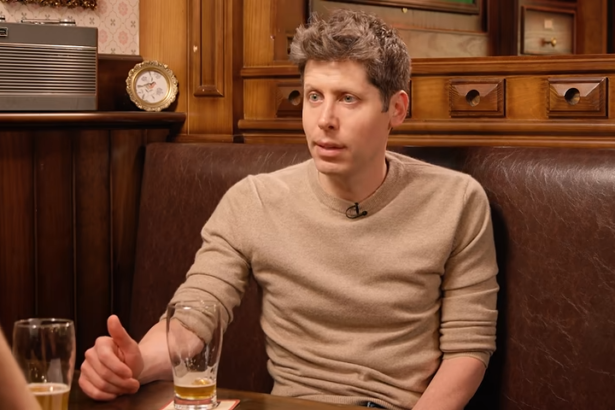
The suit cites Altman’s own words that people, particularly young people, treat the chatbot as a therapist or life coach, and argues that storing and profiting from that intimate data violates California law.
The lawsuits underscore growing concerns about AI safety. While OpenAI says it has protections in place, the legal actions suggest regulators are increasingly unwilling to wait for voluntary measures. As the cases progress, they may set important precedents for how AI companies must protect vulnerable users and handle personal data.