



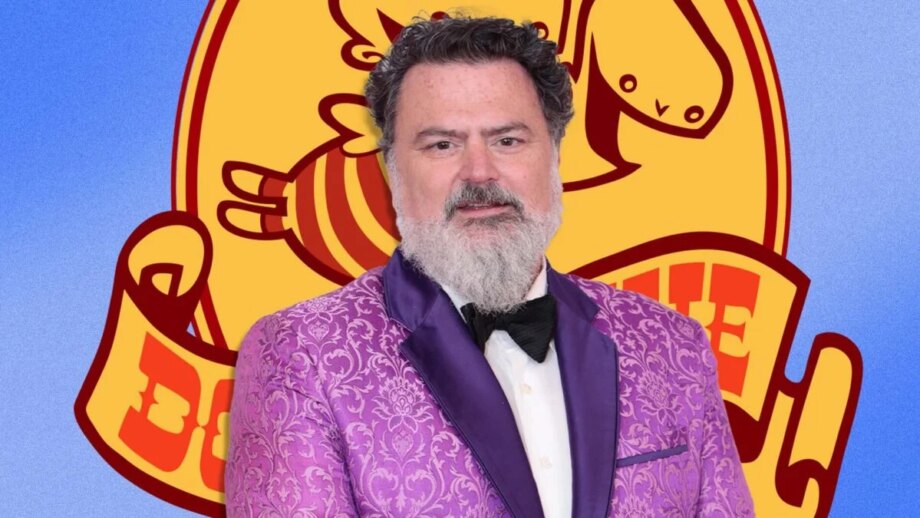
Tim Schafer on Double Fine’s Union Petition and Company Culture
Kotaku’s recent report detailed how a union petition filed at Double Fine in May was withdrawn two weeks later, prompting an interview with studio head Tim Schafer.
Schafer said rumors of union activity had long circulated, but the official petition arrived as a 30‑signature letter posted in the studio’s Slack, after which he chose to stay silent, respecting that only eligible employees could discuss the matter.
Microsoft provided its labor policies and a principle of non‑interference, offering resources but no direct guidance, while CWA shared a statement and Xbox declined to comment.
Schafer described himself as pro‑union, arguing that the industry’s crunch culture and frequent layoffs make collective bargaining reasonable, though he emphasized he was not trying to influence the process.
At the Monday meeting following the Slack announcement, he read a brief statement that the studio would remain the same regardless of the outcome, expressing personal emotion while noting that managers were barred from commenting.
He explained that a separate union channel was created for eligible members, but he did not monitor it, and heated remarks about “ripping the company apart” were made by both sides, though he was not privy to the specifics.
Legal constraints limited one‑on‑one conversations with eligible staff, creating confusion and fear among employees who were unsure whether they could discuss the union with managers.
The two‑week episode ended with eight signatories being laid off, a fact Schafer denied was retaliatory, attributing the cuts to seniority and the need to keep the studio financially viable.
He also addressed return‑to‑office policies, saying the studio will not hire remote workers and will encourage in‑office collaboration, a stance that adds pressure on staff.
Reflecting on the 2019 “Bad Meeting,” Schafer admitted regret over a public forum that turned into a heated debate, noting that the union discussion felt similarly fragmented.
He said the studio is working to bring the “outer ring” of employees—especially newer and remote workers—into the fold, using informal lunches and board games to build trust.
Schafer acknowledged that while the company is flat and aims for open access to leadership, some staff still feel hesitant to speak up, and he is committed to improving communication.
Looking ahead, he said the studio will continue to learn from the experience, hold exit interviews, and strive for a fairer equity structure once the current transition settles.
He concluded by apologizing for any negative experiences and affirming that Double Fine will keep striving for a supportive, inclusive workplace.