


Linux Gaming Gains Momentum in 2025
After years of quietly chipping away at the Windows monopoly, Linux gaming is finally stepping into the spotlight. As a gaming journalist with five years covering Linux platforms, I’ve seen the gradual shift—it’s not just a tech hobbyist’s curiosity, but a response to real demand from millions of gamers who want a smoother, more affordable alternative.
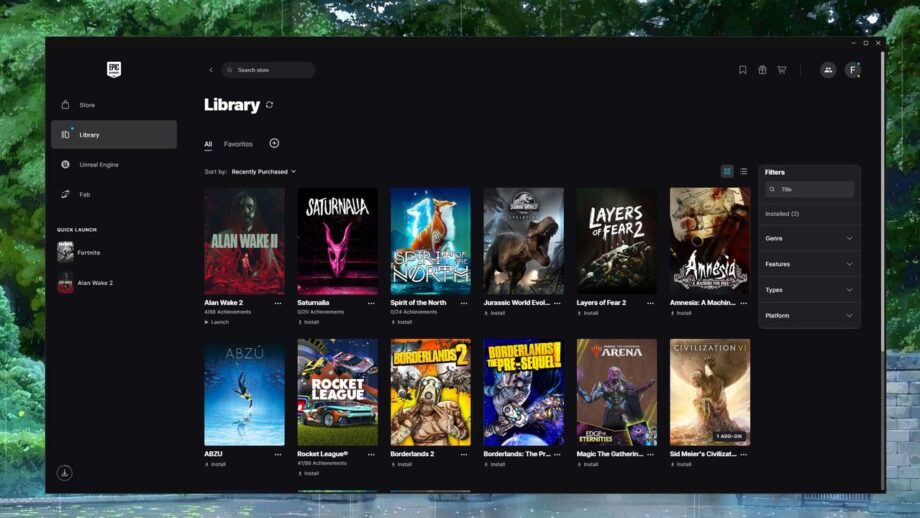
One of the most telling signs came from the Epic Games Store. When a user asked about native Linux support, an Epic developer replied with a simple “soon” emoji, sparking excitement across forums. While the exact timeline remains vague, the acknowledgement itself signals a serious commitment.
Why the push now? Several factors converge to make 2025 a pivotal year. First, Windows 11’s frequent updates and resource‑hungry demands have frustrated many longtime users. Second, Valve’s SteamOS continues to evolve, with the Steam Deck proving that a handheld Linux device can compete with traditional consoles. Even the recent price hikes on the Deck have tempered enthusiasm, but the underlying momentum remains strong.
Epic’s Plans for a Native Launcher
According to a recent Discord conversation captured by Reddit user Mr_Madafaka, the Epic Games Store team is actively working on a Linux‑compatible launcher. Onepercentnachos, a community moderator, clarified that the upcoming version will go beyond a simple “preview” build; it will need full native functionality. That means users can expect a complete client, not just a web wrapper.
GOG Galaxy Joins the Race
In parallel, GOG is developing its own Galaxy client for Linux. The project is still in early stages, but the company’s track record of supporting Linux through its standalone client suggests a smooth rollout. If both Epic and GOG deliver native experiences, the Heroic Games Launcher—currently the go‑to solution for Linux users—will face new competition.
Community Sentiment and Market Realities
Many gamers have already migrated to Linux out of dissatisfaction with Windows 11’s intrusiveness. A small but vocal segment of the development team even made the switch in 2026, citing better performance and lower licensing costs. Meanwhile, the Steam Deck’s popularity, despite newer pricing tiers, underscores a growing appetite for portable, open‑source gaming.
What This Means for the Future
With major players like Epic and GOG moving toward native Linux support, the ecosystem becomes more robust. Gamers can look forward to fewer workarounds, better performance, and possibly lower prices as competition heats up. For developers, the payoff is clear: reaching a broader audience without the overhead of maintaining separate Windows builds.
In short, the convergence of user demand, corporate acknowledgment, and ongoing Linux‑focused initiatives signals that Linux gaming is no longer a niche—it’s becoming a mainstream option. As the “soon” emoji suggests, the next few months may bring the long‑awaited native launchers, giving players even more reasons to consider Linux as their primary gaming platform.